




Every minute...
A video is uploaded. A stream begins. A photo is shared. Behind every one of these moments, data is created, moved, stored and served. Instantly, seamlessly and at scale. The data growth below highlights the demands placed on AI infrastructure, and the critical role memory and storage play in keeping data moving.


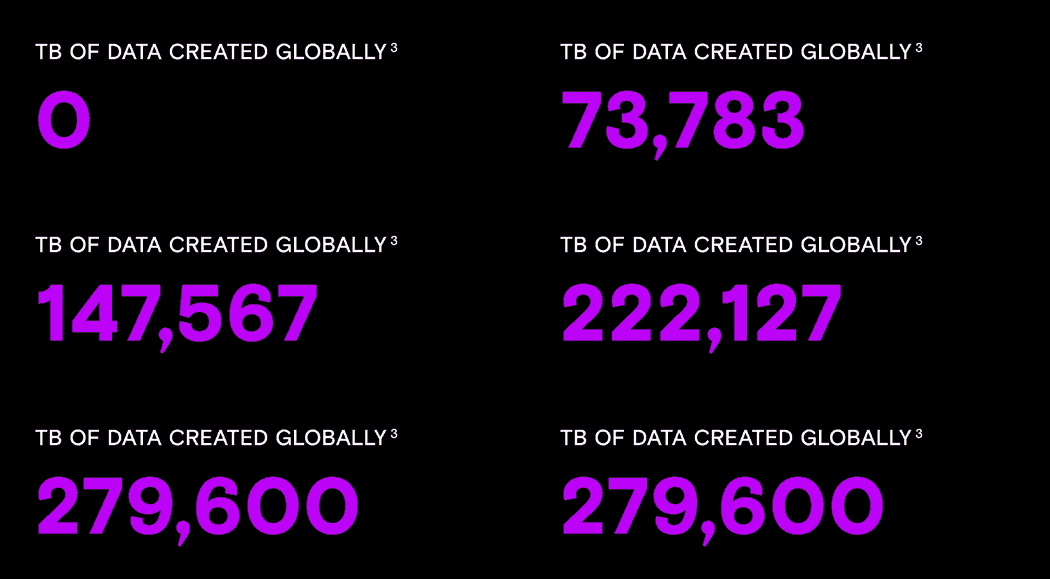
Every digital moment follows the same path: create, store, serve and learn.






- Quote by Sanjay
- Quote by Jeremy
- Quote by Raj
- Near memory
- Main memory
- Disaggregated memory
- SSD data cache
- Networked data lakes
The right memory and storage for every AI workload
Every video uploaded, AI response generated and recommendation served depends on data moving through multiple layers of memory and storage. The right technology at each layer helps power AI assistants, personalized experiences and real-world outcomes.
Interact with the pyramid to see how Micron supports every stage of the AI pipeline.
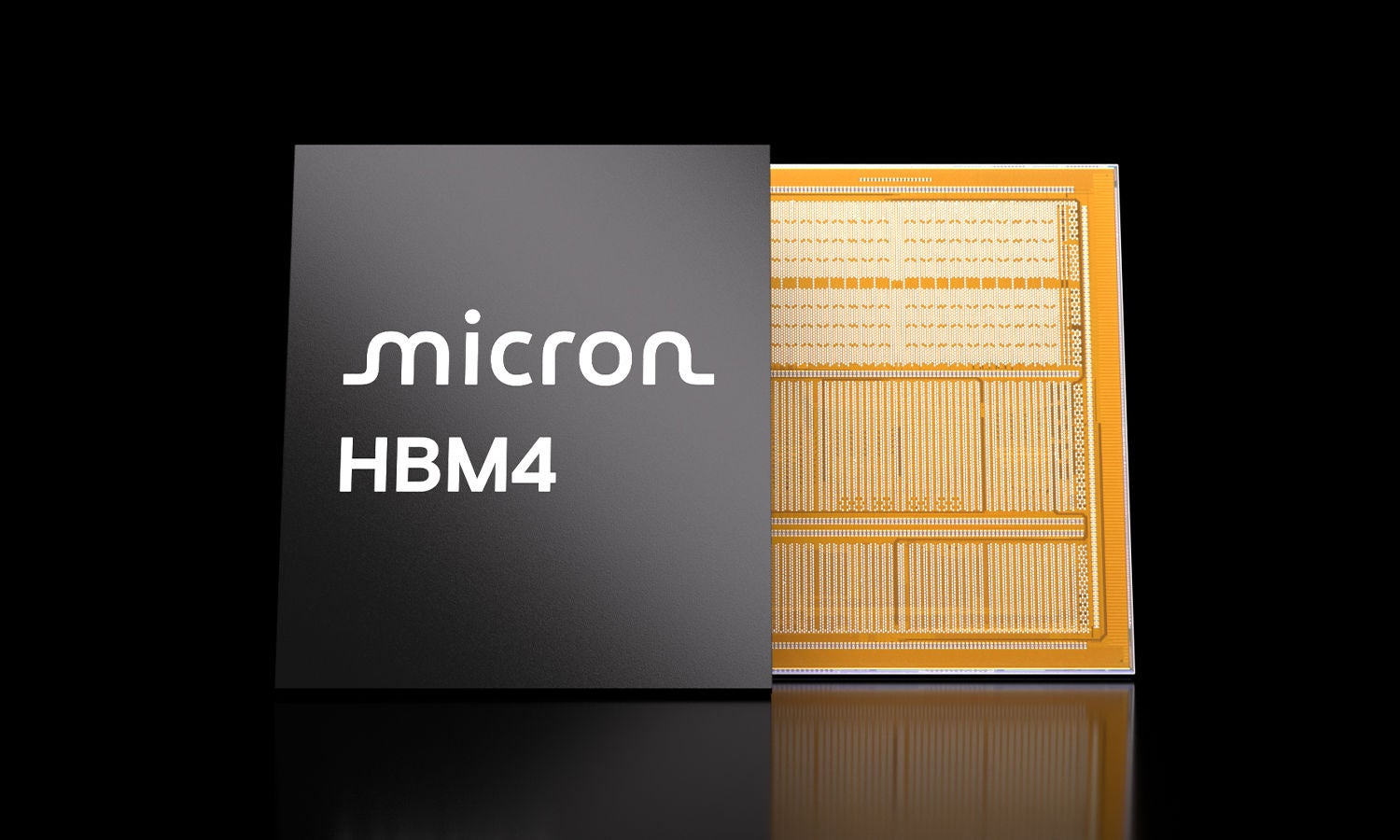
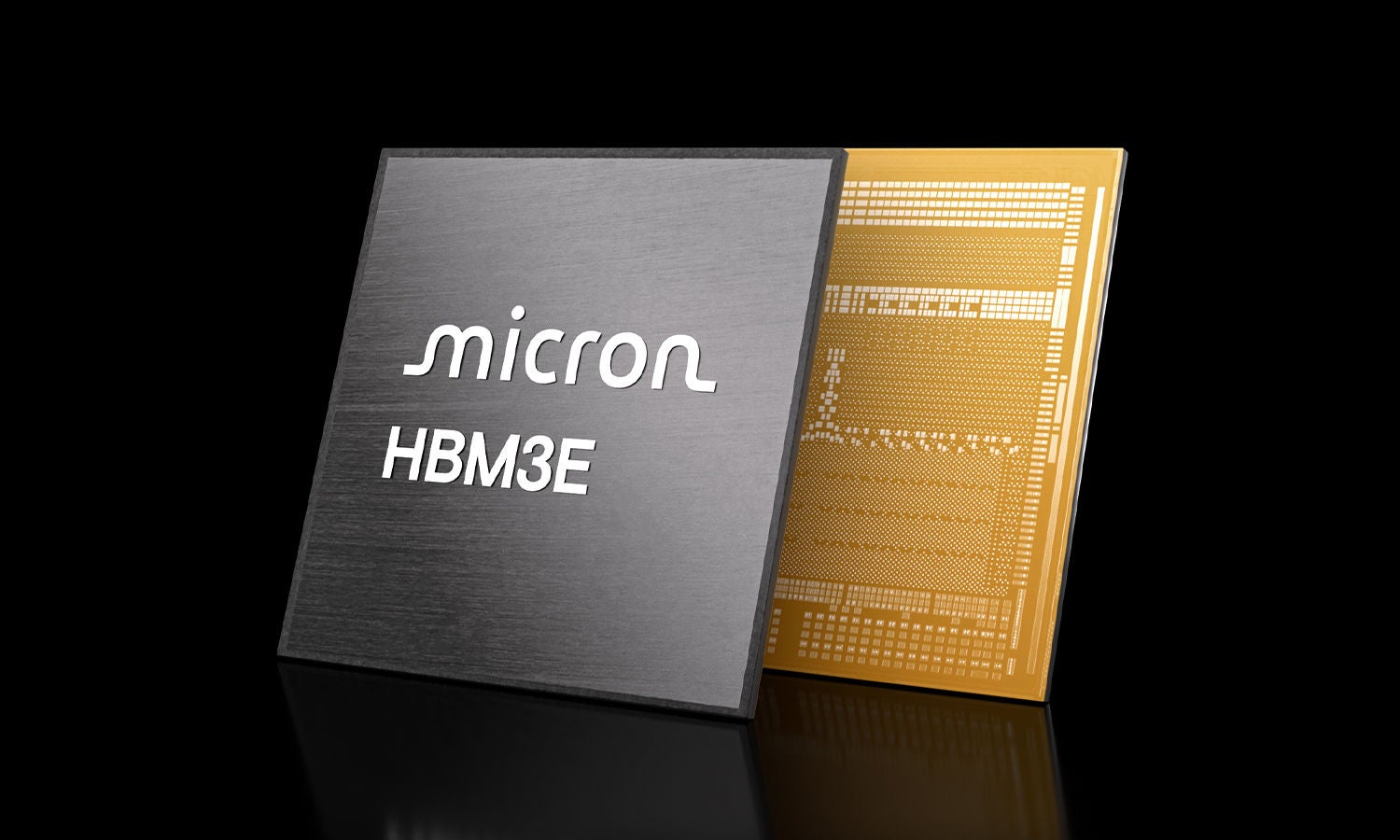
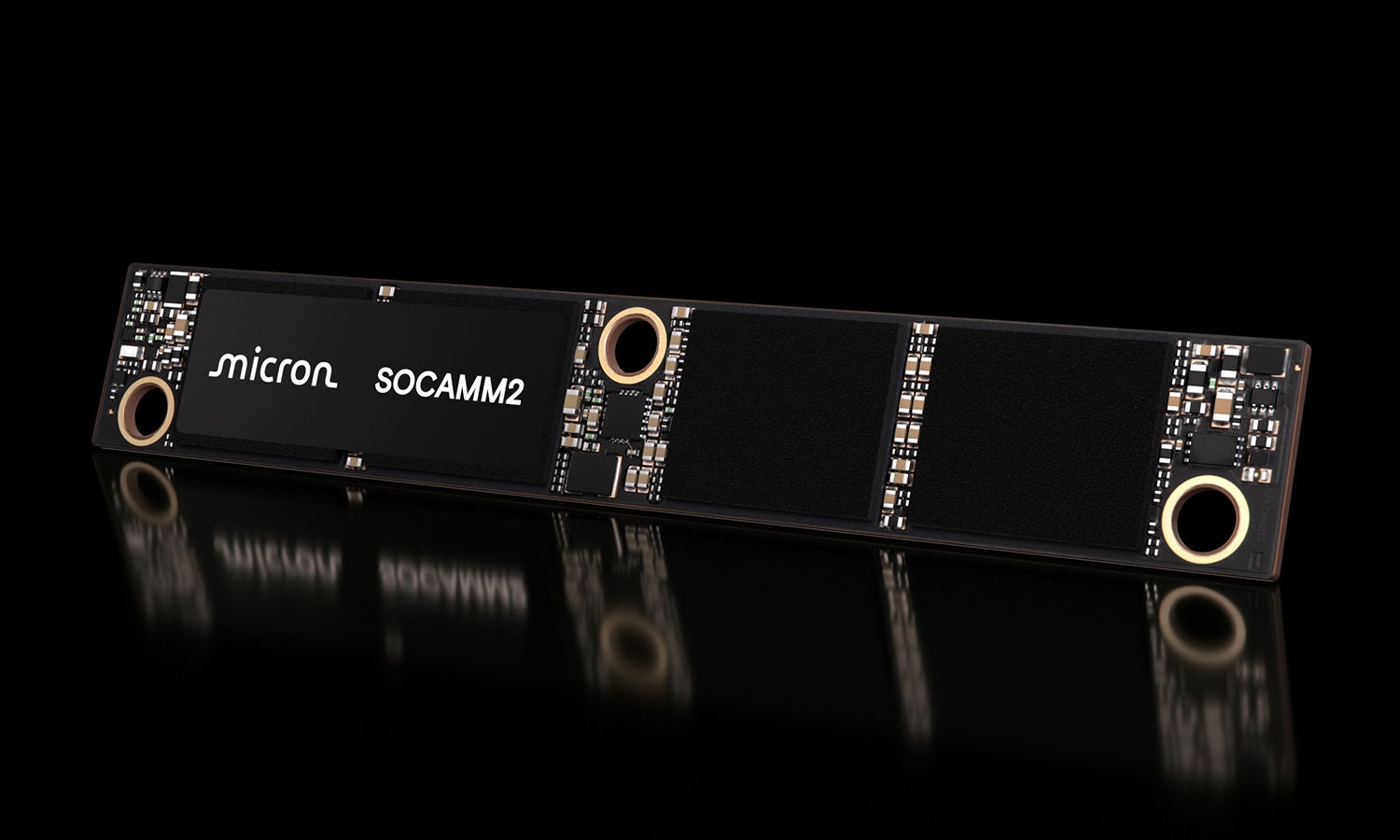

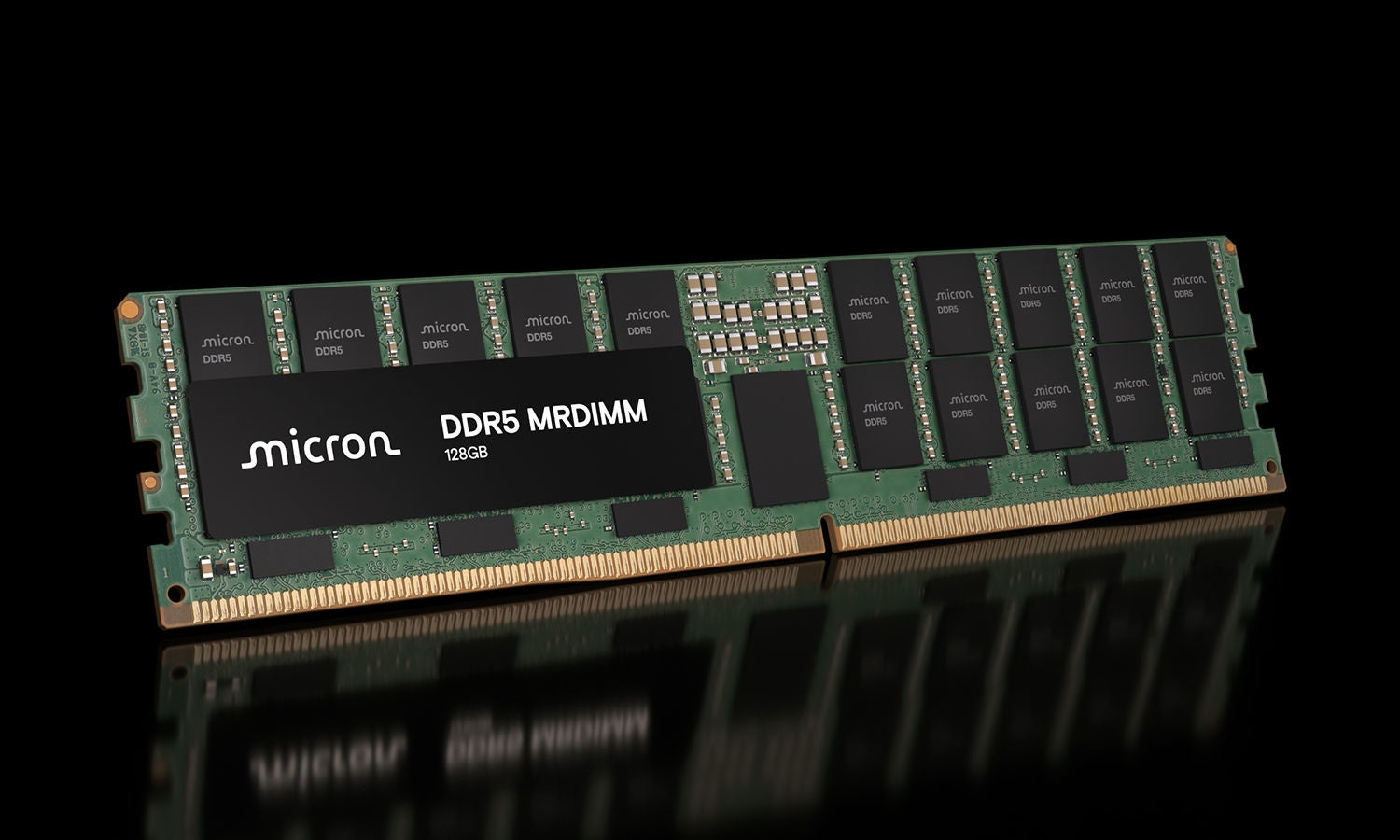
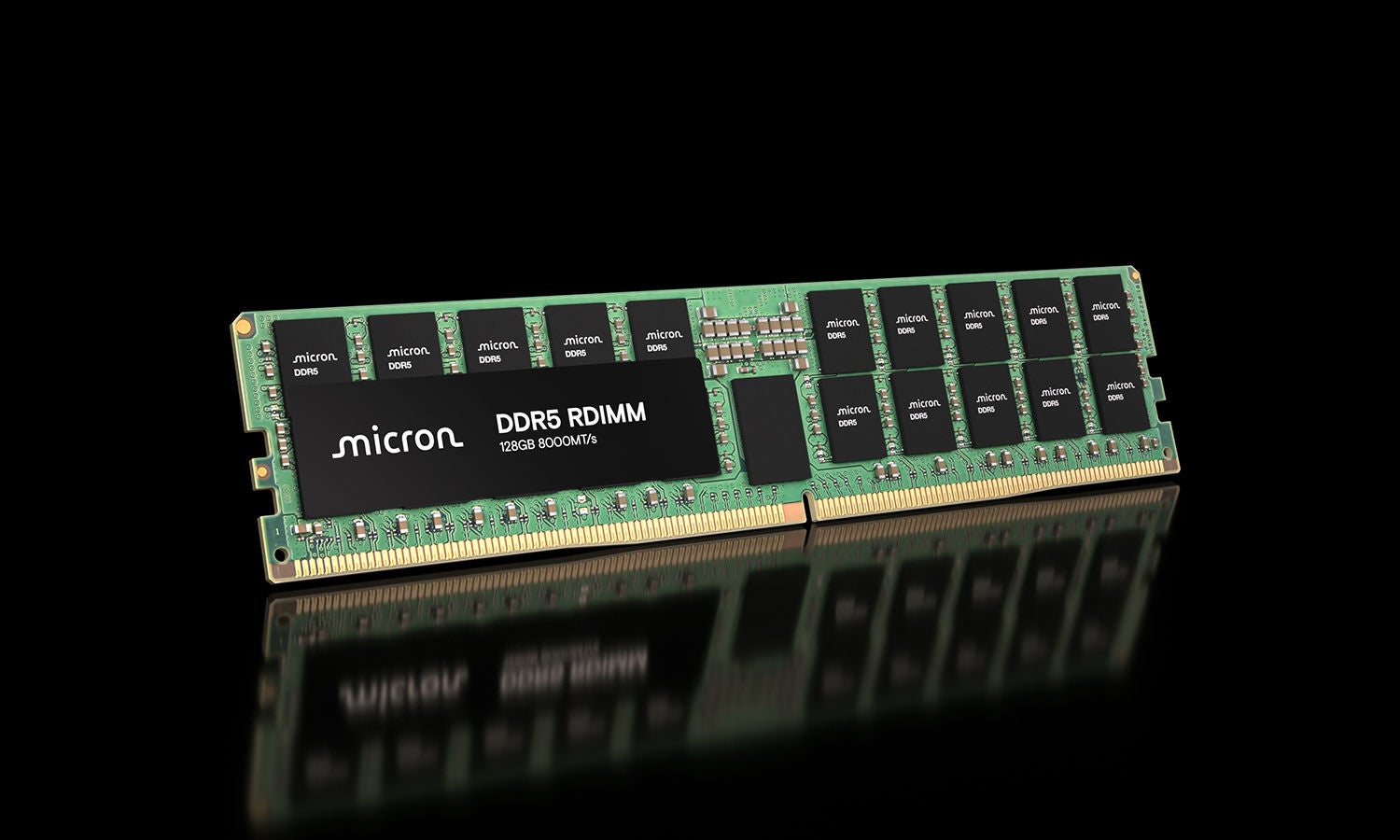
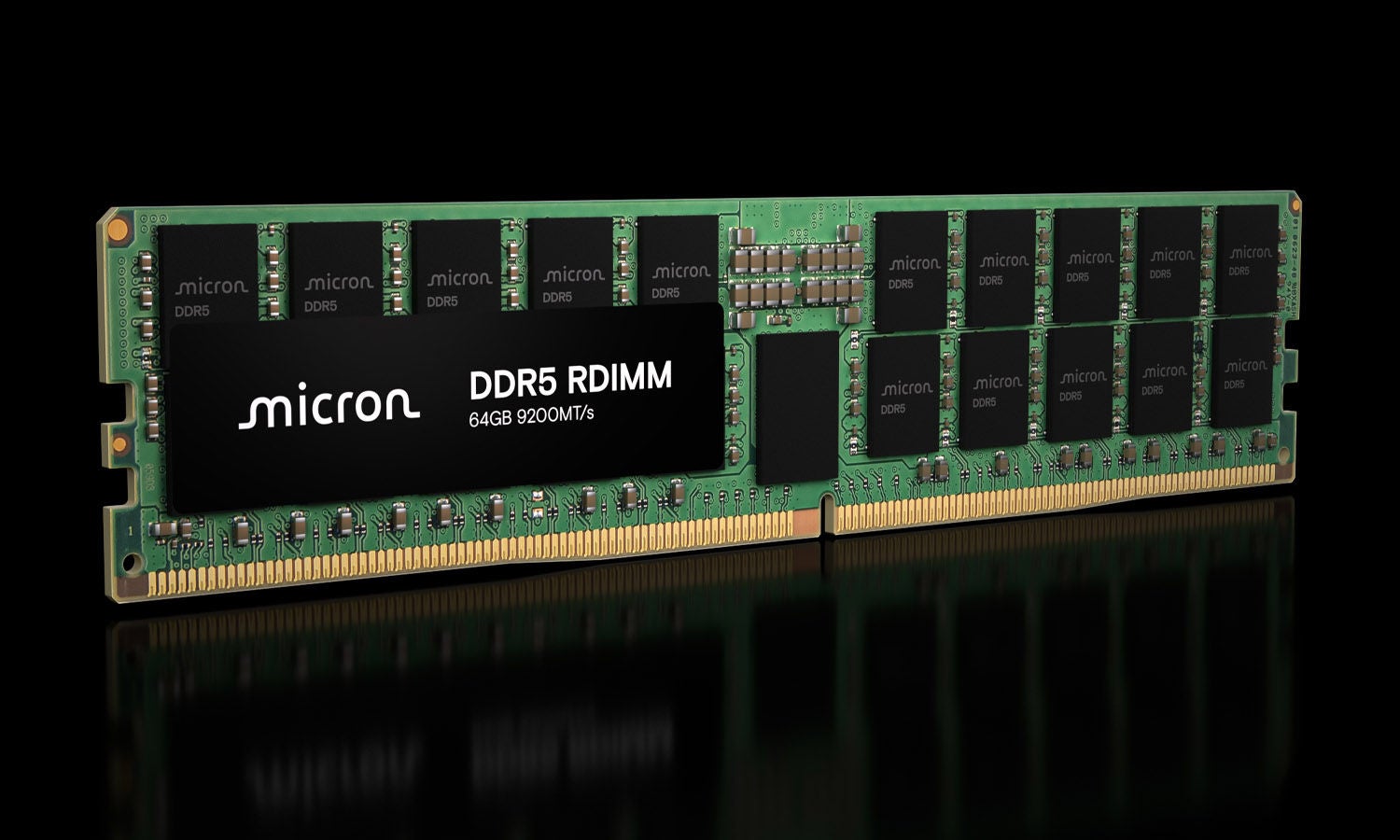
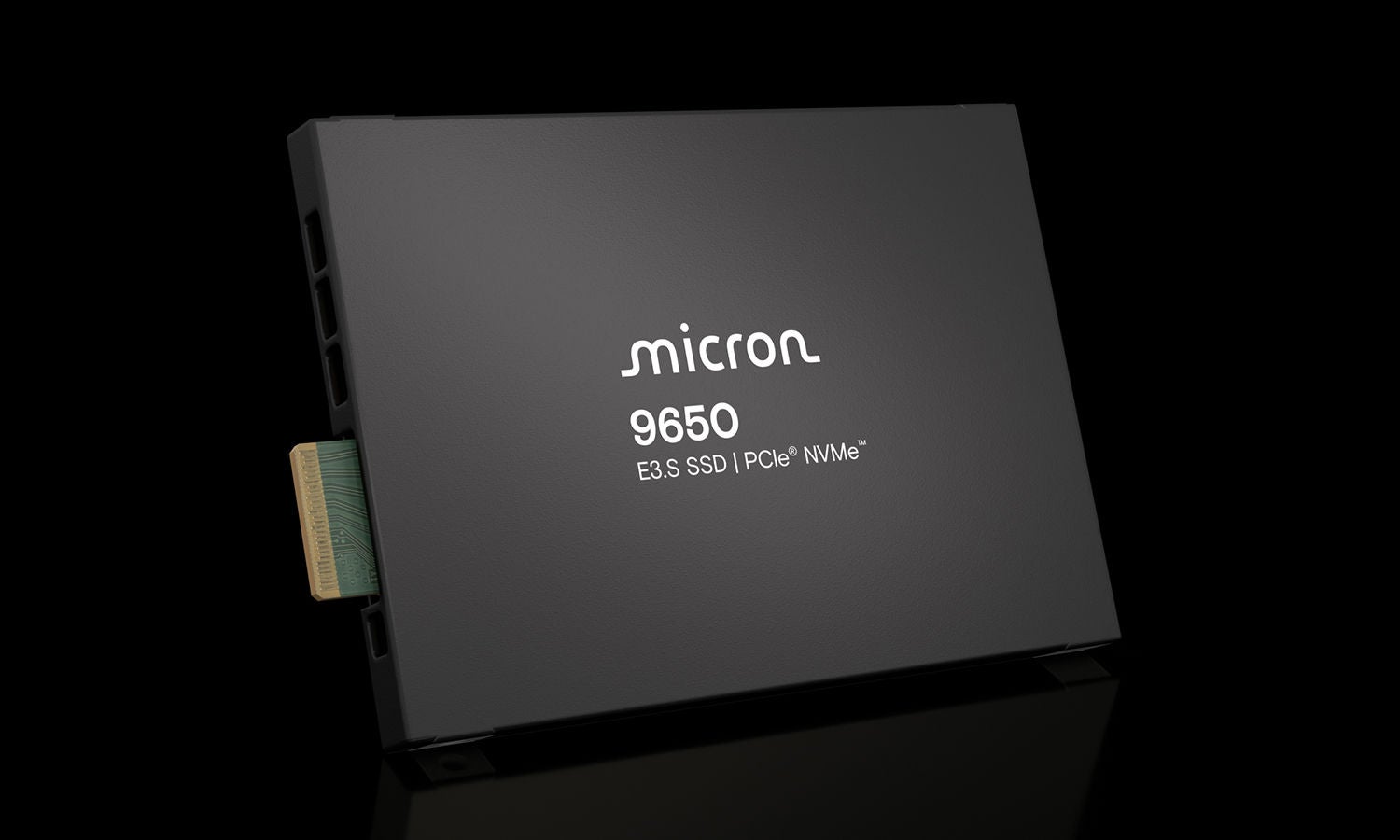
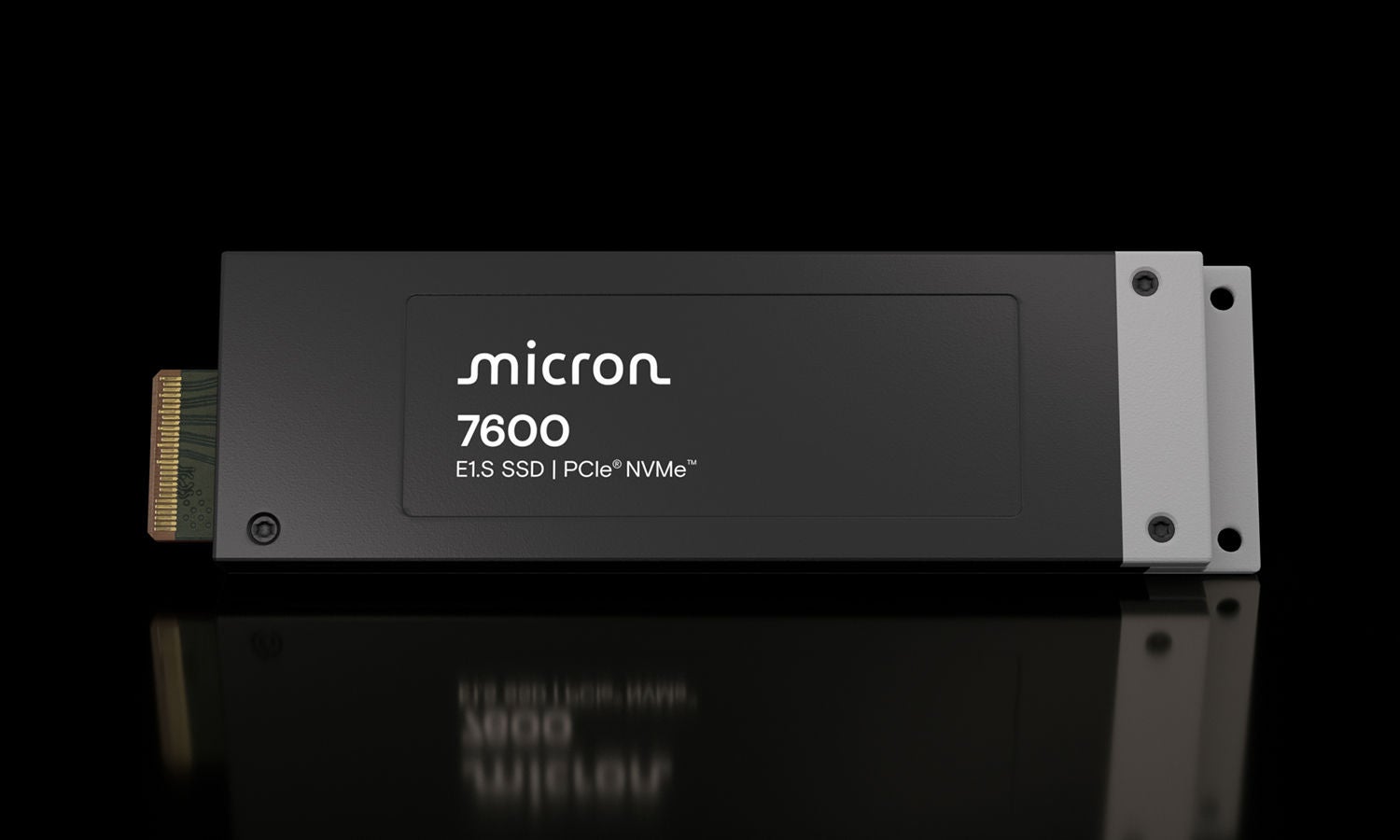
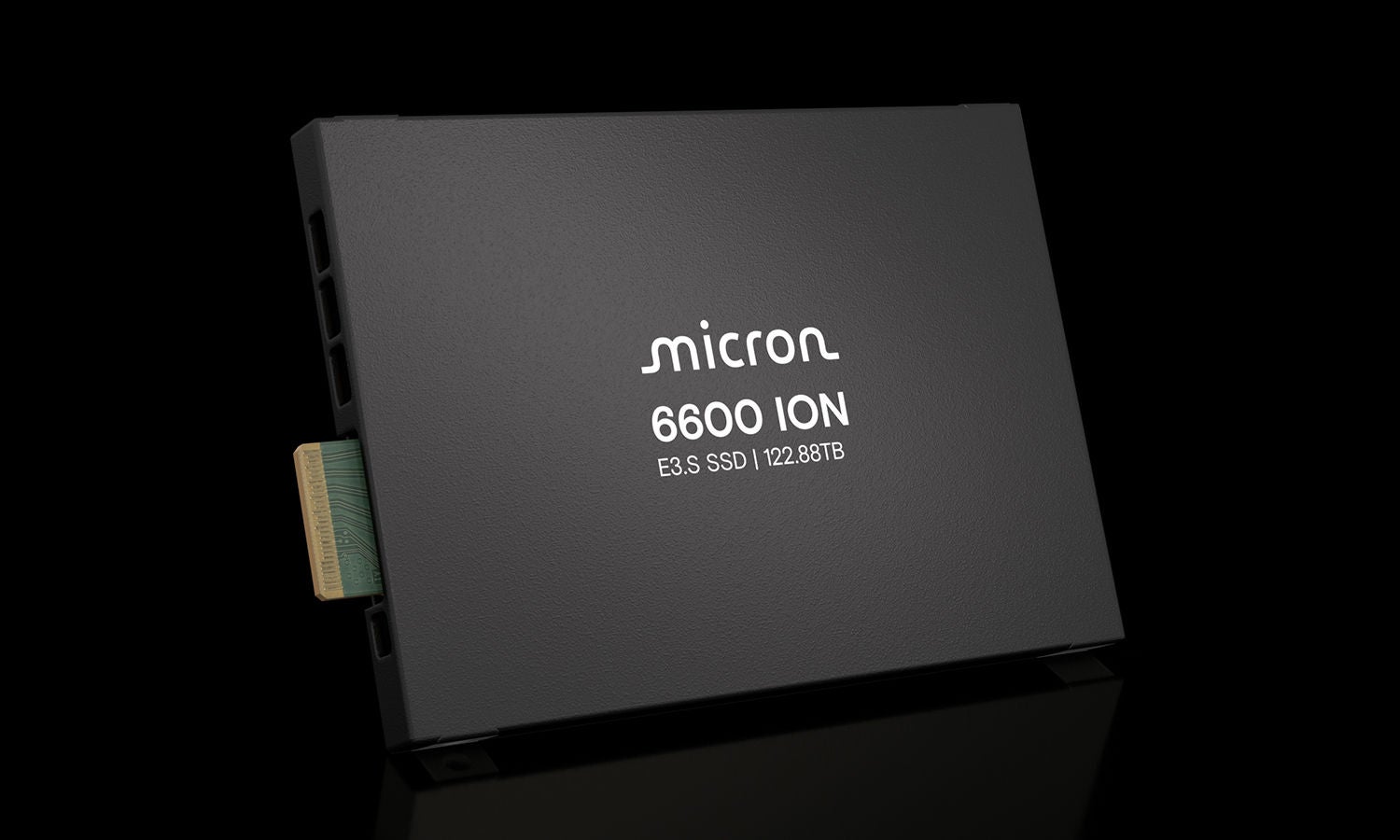

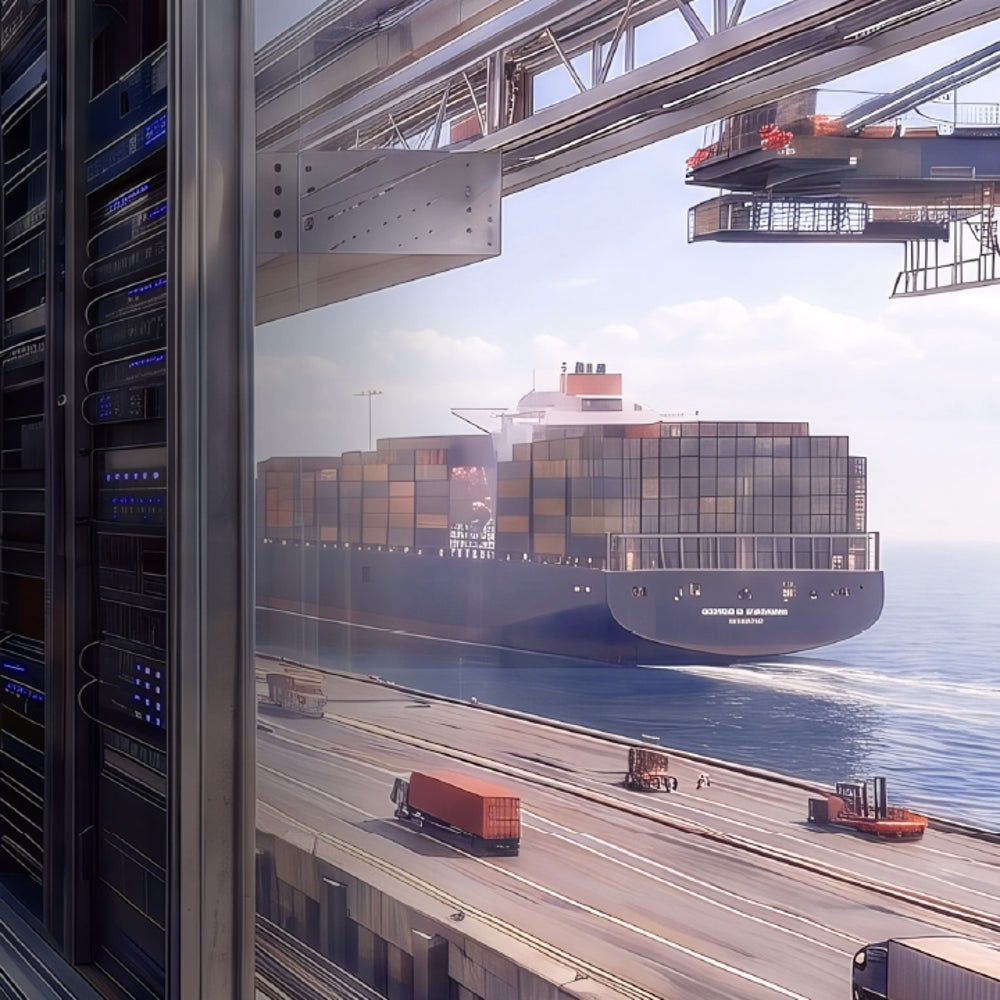

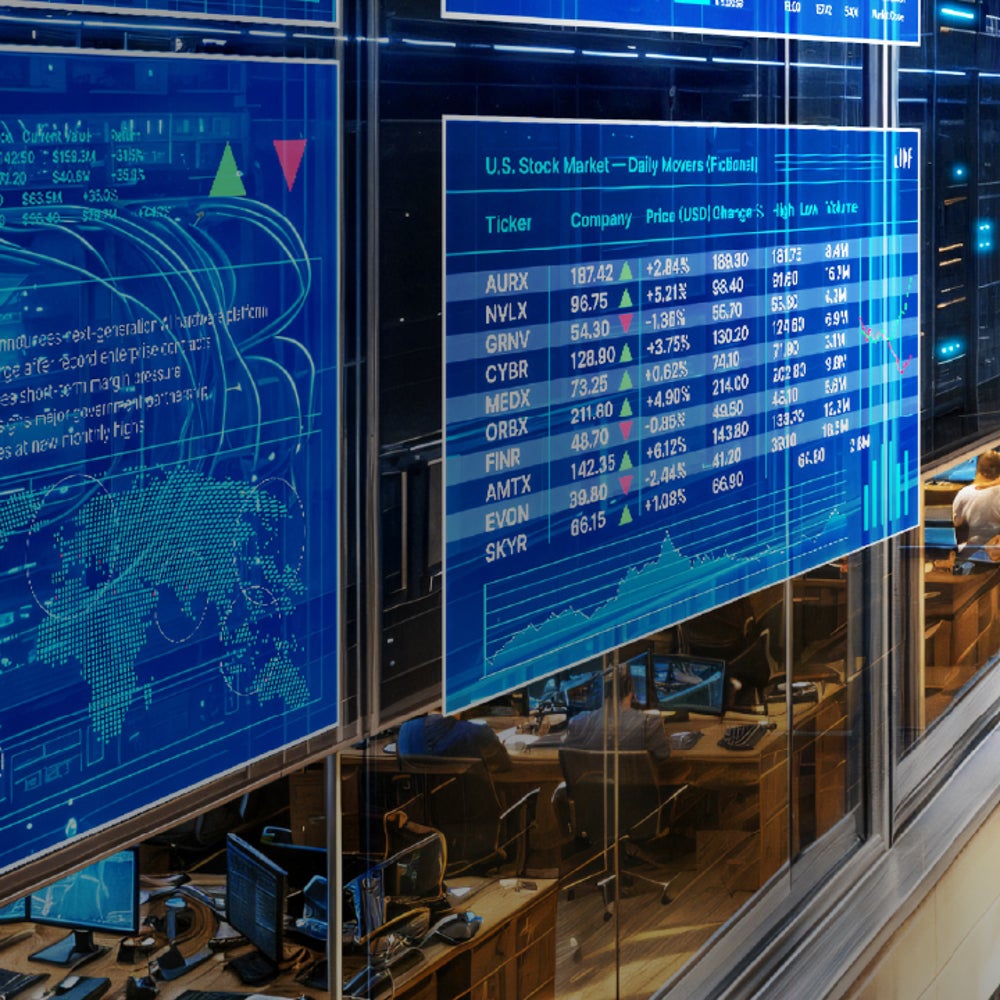
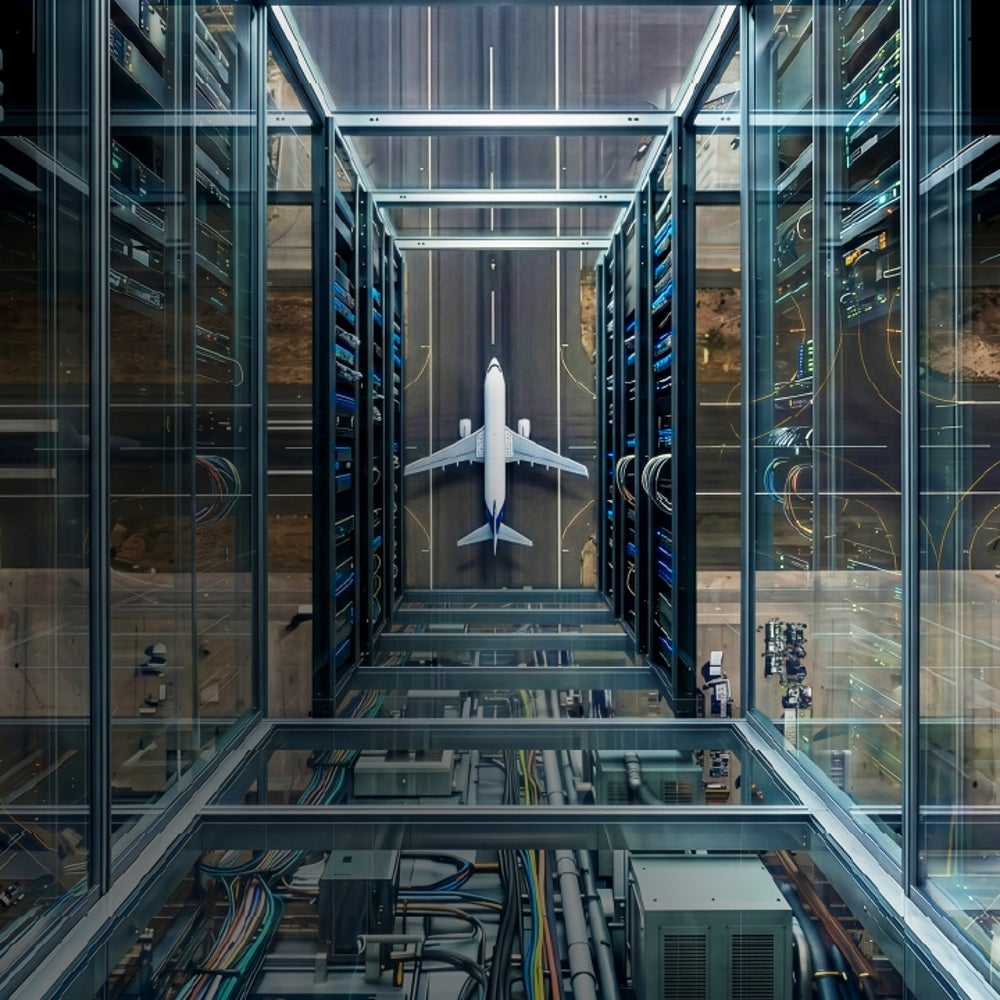
Take a peek inside the box


Frequently asked questions
Traditional data centers support a wide range of business applications, while AI data centers are optimized for AI workloads that require significantly more computing power, memory bandwidth, storage performance and networking capacity. As AI models grow more complex, AI data centers are designed to support larger workloads with greater performance, connectivity and efficiency. Companies building and operating AI data centers often use GPU-accelerated servers, advanced cooling systems, high-speed networking, and high-performance memory and storage to keep data flowing efficiently through the AI pipeline.
An AI data center processes and stores massive amounts of data using clusters of high-performance servers. Data is moved from storage to memory, processed by AI models and delivered as outputs for applications such as generative AI, analytics, machine learning, and inference. To maintain performance and efficiency, compute, memory, storage, networking, power and cooling systems work together as an integrated pipeline. This coordination helps organizations deliver AI-powered services, insights and experiences efficiently, with technologies such as memory and storage playing a critical role throughout the AI pipeline.
AI infrastructure is the hardware, software, networking, memory, storage and power systems that enable organizations to develop, train, deploy and run AI applications. It provides the foundation that supports the entire AI lifecycle, helping organizations turn vast amounts of data into AI-powered insights and services at scale. AI infrastructure brings together compute, networking, memory and storage technologies to power AI experiences, insights and services. Large cloud providers and technology companies often operate hyperscale data centers, which are massive facilities designed to support enormous computing workloads. Smaller organizations frequently use colocation facilities, where they lease space, power and cooling for their equipment instead of building and maintaining their own data centers.
A server rack is a standardized enclosure that houses servers, storage systems, networking equipment and power components. In AI data centers, server racks bring together the compute, networking, memory and storage technologies needed to support AI workloads at scale. AI server racks often contain high-density GPU servers, high-speed networking, advanced cooling technologies, and memory and storage systems that help keep data flowing efficiently through the AI pipeline.
Memory and storage play a critical role in AI performance because AI systems depend on rapid access to large amounts of data. Memory keeps active data close to processors, helping AI applications generate responses, make decisions and process workloads in real time. Storage retains the training data, AI models and outputs that power the AI lifecycle. Together, memory and storage help organizations move, process, store and retrieve data efficiently across the AI pipeline. As AI workloads grow in size and complexity, the right combination of memory and storage becomes critical to performance, efficiency and scale.
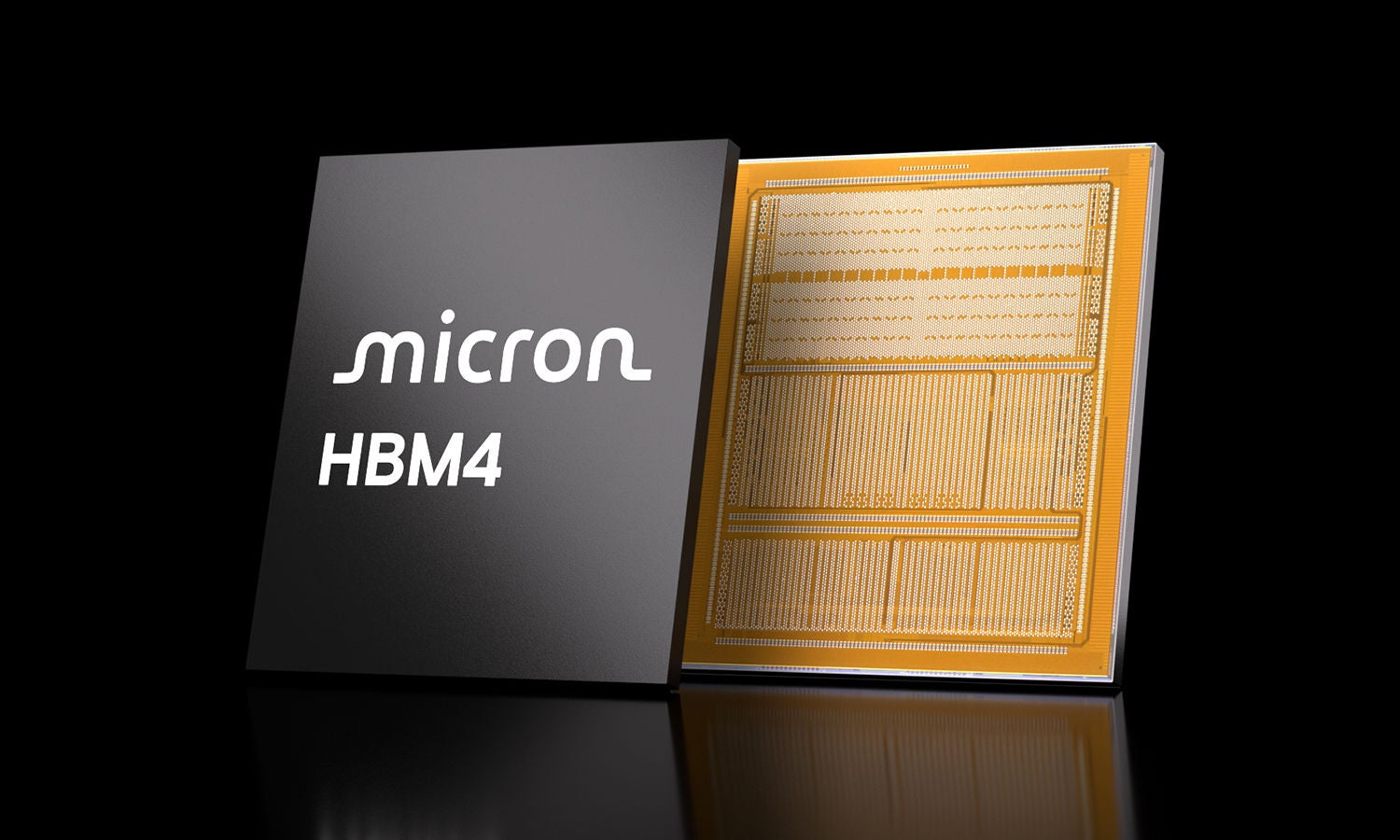
The best memory and storage solution depends on the AI workload, but most AI data centers rely on a combination of high-bandwidth memory, DRAM and high-performance SSDs. Different AI workloads place different demands on bandwidth, capacity, latency and power efficiency, requiring the right memory and storage technologies for each stage of the AI pipeline. Together, these technologies help reduce bottlenecks, improve efficiency and deliver the performance required for modern AI workloads. Micron offers memory and storage solutions designed for AI infrastructure. Micron HBM helps deliver the bandwidth needed for AI accelerators, Micron DDR5 DRAM supports memory-intensive server workloads, and Micron data center SSDs provide fast, reliable access to AI datasets and models. Together, these technologies help keep data flowing efficiently, enabling faster AI training, inference and data processing.
Continue exploring AI with Micron

- According to Statista, 16,000 short form videos are uploaded to the platform TikTok every minute globally. TikTok - statistics & facts | Statista.
- Reports show that an average of 500 hours of video (approximately 2,500 videos) were uploaded to YouTube every minute in 2025 globally. YouTube Statistics 2026 [Users by Country + Demographics.
- Per Tech Business News, in 2025, an average of 402.74M terabytes of data was created every day across the globe. “Created” includes data that is newly generated, captured, copied, or consumed. 402,740,000TB/1,440 minutes = 279,680.56 TB/minute or ~ 279,600TB 402.74 Million Terrabytes of Data Is Created Every Day – 2025.
- Comparing HBM4 12-high to HBM3E 12-high. Power efficiency is measured in picojoules per bit (pJ/bit) at similar speeds.
- Based on internal Micron model referencing an ACM Publication, as compared to the H100 platform.
- Compared to 128GB (previous generation) SOCAMM2.
- Results are based on Micron internal testing of real-time inference with Llama3 70B model (with FP16 quantization) using 500K context length and 16 concurrent users. The projected TTFT latency improvement is based on a latency of 0.12s for 2TB LPDRAM per CPU vs. 0.28s for 1.5TB LPDRAM per CPU.
- Results are based on Micron internal LPDDR5x power calculator, assuming estimated AI use case and conditions.
- Compared to LPDDR5X 8533 Mb/s.
- Compared to previous generation.
- Empirical Intel Memory Latency Checker (Intel MLC) data comparing 128GB MRDIMM 8800 MT/s against 128GB RDIMM 6400 MT/s.
- Empirical Stream Triad data comparing 128GB MRDIMM 8800 MT/s against 128GB RDIMM 6400 MT/s at 1TB.
- Empirical OpenFOAM task energy comparing 128GB MRDIMM 8800 MT/s against 128GB RDIMM 6400 MT/s.
- Performance advantage is calculated comparing 9,200 MT/s versus products at 6,400 MT/s.
- Operating power measured in watts. Calculated by comparing two 128GB modules running at 9.7 W (19.4 W total) versus a single 256GB module at 11.1W.
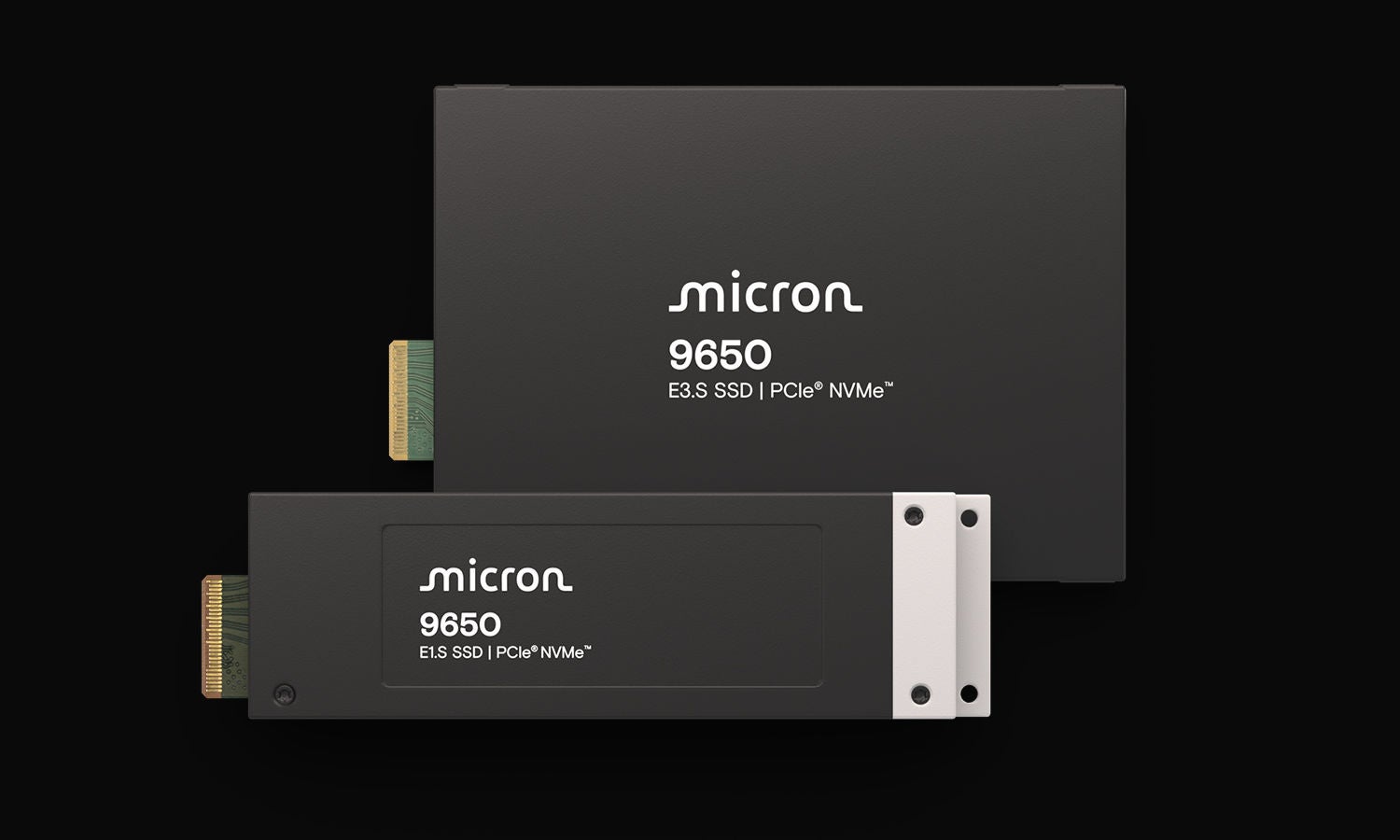
- The 9650 SSD is the only Gen6 SSD available at the time of announcement. SSDs comparisons are based on currently in-production and available mainstream data center SSDs, from the top five competitive suppliers of OEM data center SSDs by revenue as of May 2025, as per Forward Insights analyst report, “SSD Supplier Status Q1/25”.
- The 9650 SSD has improved energy efficiency with two times the performance of the 9550 SSD, Micron’s previous-generation drive, with the same 25W maximum power.
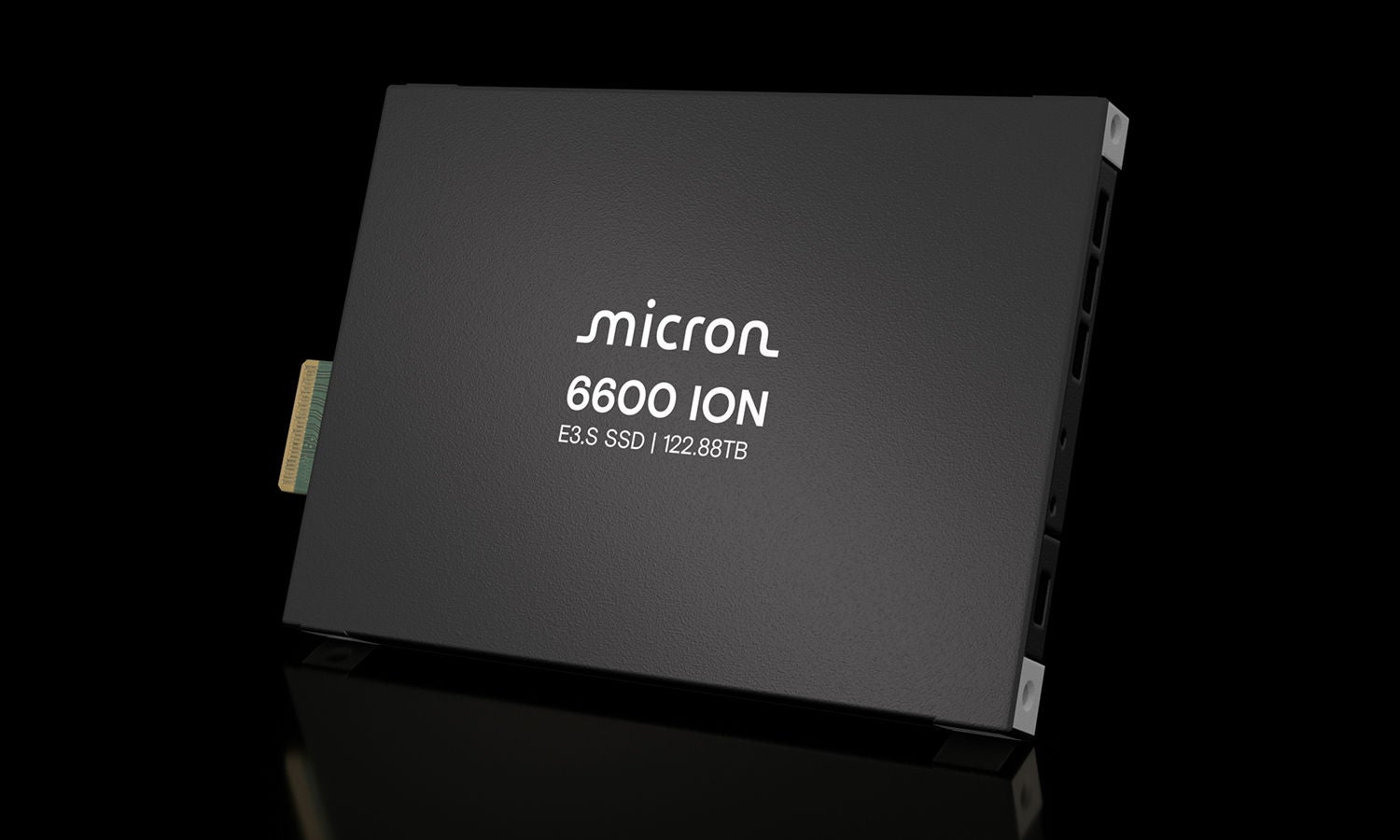
- Capacity per U calculated as E3.L: (245TB per SSD) x 40 SSDs per 2U server and filling 36U of rack space with the servers yields 4.9PB per U; E3.S: (122TB per SSD) x 20 SSDs per 1U server using 36U of rack space = 2.45PB per U.